Reservoir Farms Sonoma Showcases the Next Generation of AgTech Innovation
By Lauryl Gonzalez
What does the future of farming look like?
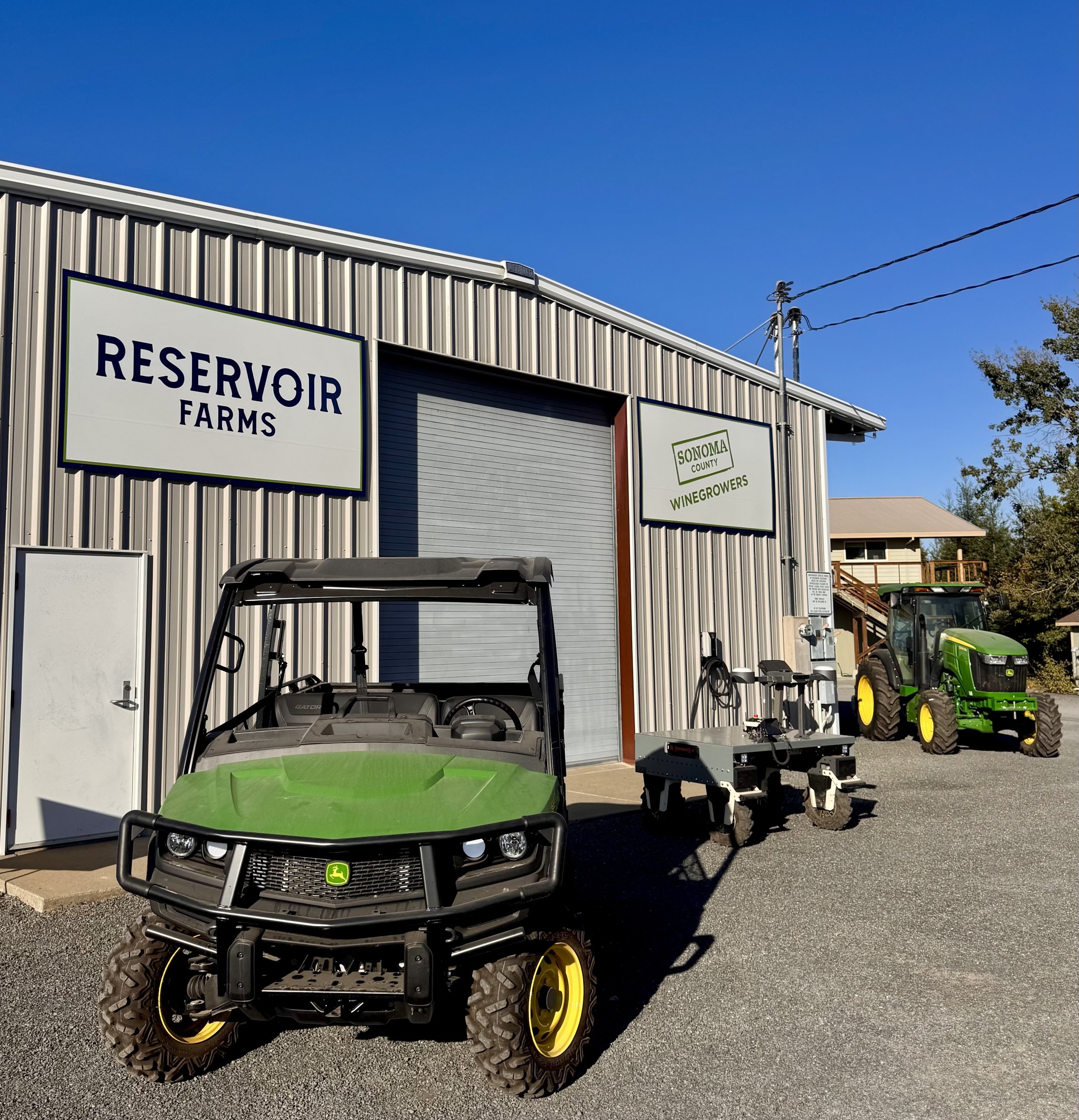
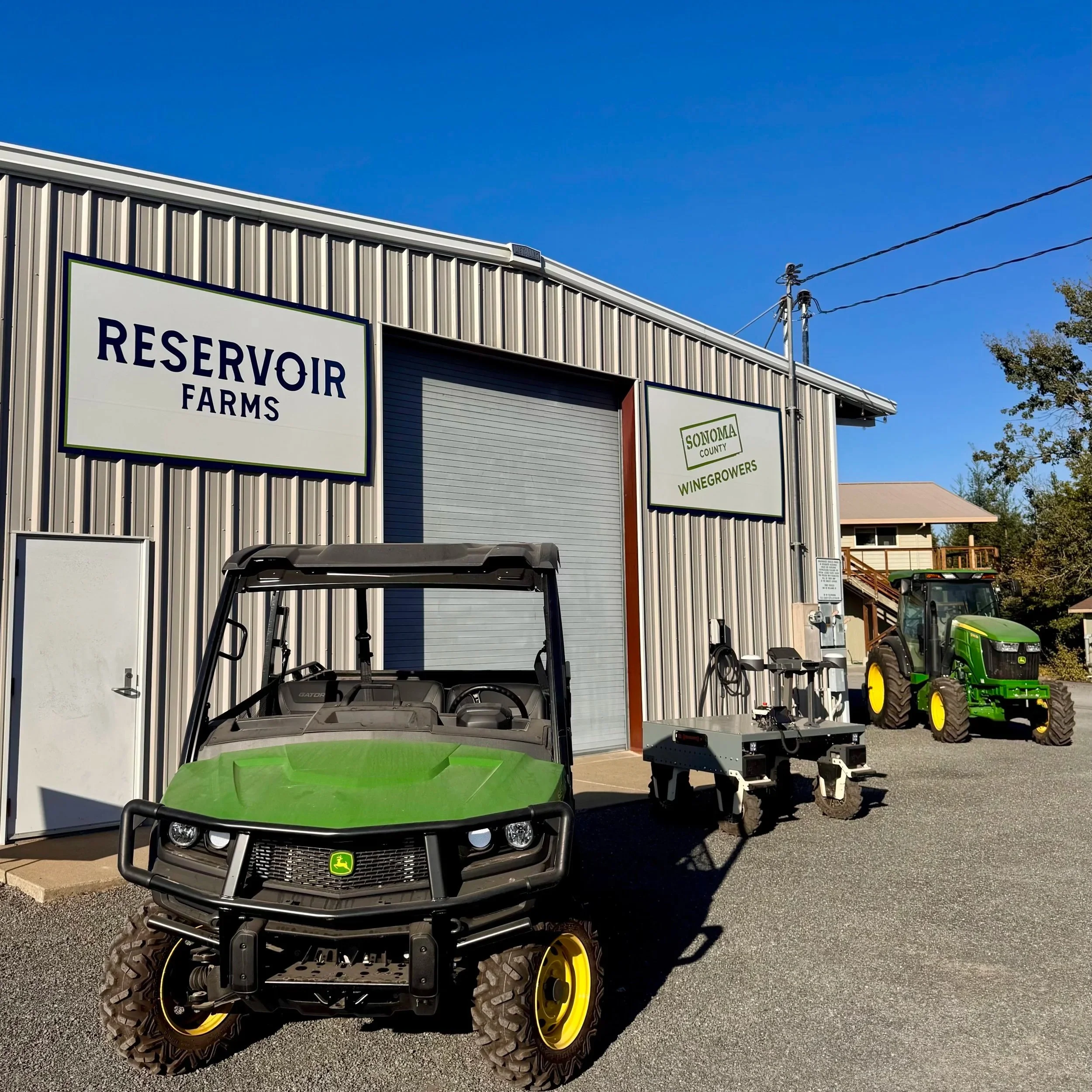
On October 1, 2026, innovators, growers, and agricultural leaders gathered at Reservoir Farms, a leading agtech innovation hub in Sonoma County where emerging agricultural technologies are tested and demonstrated in real-world farming environments, to explore that question.
The event brought together startups focused on some of agriculture's most pressing challenges, from disease management and chemical application to farm automation and data collection. While each company approached the problem differently, the message was consistent– the future of agriculture isn't about replacing growers, it's about giving them better tools.
The gathering also highlighted Reservoir Farms' growing role in California's agtech ecosystem. Following the opening of its Salinas location, Reservoir, a California-based agricultural innovation company that brings startups, growers, and investors together to accelerate the development of agricultural technology, is creating spaces where founders can connect directly with growers, researchers, and industry partners to test and refine technologies designed for real-world agricultural challenges.
Among the companies showcasing their work were Agerpoint, E2, Thorvald, and Cordon.
Making Better Decisions with Better Data
Every good farming decision starts with understanding what's happening in the field. That's where Agerpoint comes in.
The company, based out of North Carolina, helps growers collect and analyze field data through mobile tools that can document everything from crop conditions and disease pressure to weather-related damage. By turning observations into actionable insights, Agerpoint is helping agricultural operations make faster, more informed decisions.
As farms increasingly rely on technology to improve efficiency, tools like Agerpoint are making valuable data more accessible and easier to use.
Affordable Automation for Everyday Growers
While technology is often associated with large farming operations, E2 is focused on making automation accessible to smaller farms and family growers.
The Santa Rosa-based company has developed a compact remote-controlled farming platform designed to work with existing implements while significantly reducing equipment costs. Instead of investing in a traditional tractor setup that can easily exceed six figures, growers have access to a lower-cost alternative that still gets the job done.
The result is technology that is practical, approachable, and designed with everyday growers in mind.
One Description That Said It All
Of the conversations at the event, one description was particularly memorable.
When asked how she would explain the technology to someone outside of agriculture, Emily Hooper of Thorvald replied:
"It's the Roomba of the vineyard."
The comparison is fitting. Thorvald is an autonomous robot that travels vineyard rows at night using UV-C light to help control powdery mildew and other fungal diseases. By treating crops during a key window after sunset, the robot provides growers with an innovative disease-management tool while reducing dependence on traditional applications.
It's a powerful example of how robotics can complement existing farming practices while supporting sustainability goals.
Rethinking Crop Spraying
For Cordon, innovation begins with one of agriculture's oldest and most time-consuming jobs: spraying.
Founded by a former vineyard farmer and agronomist, Jamie Hutchinson, the company is modernizing a process that has remained largely unchanged for decades. Instead of mixing chemicals in large tanks before entering the field, Cordon's technology allows products to be stored separately and blended in real time during application.
This approach reduces handling, improves precision, and gives growers greater flexibility to adapt applications to specific crops and conditions.
Already finding success in Europe, the company is now bringing its technology to California's specialty crop sector.
Innovation Rooted in Real Problems
What stood out most throughout the event was not the technology itself, but the problems it was designed to solve.
Whether helping growers collect better data, reduce labor demands, improve disease management, or make equipment more affordable, each company focused on practical solutions for challenges that farmers face every day.
If the showcase offered any glimpse into the future of farming, it is one where technology works alongside growers, helping them become more efficient, sustainable, and resilient for generations to come.