
AI-Powered Smart Irrigation: Exploring the Future of Sustainable Agriculture
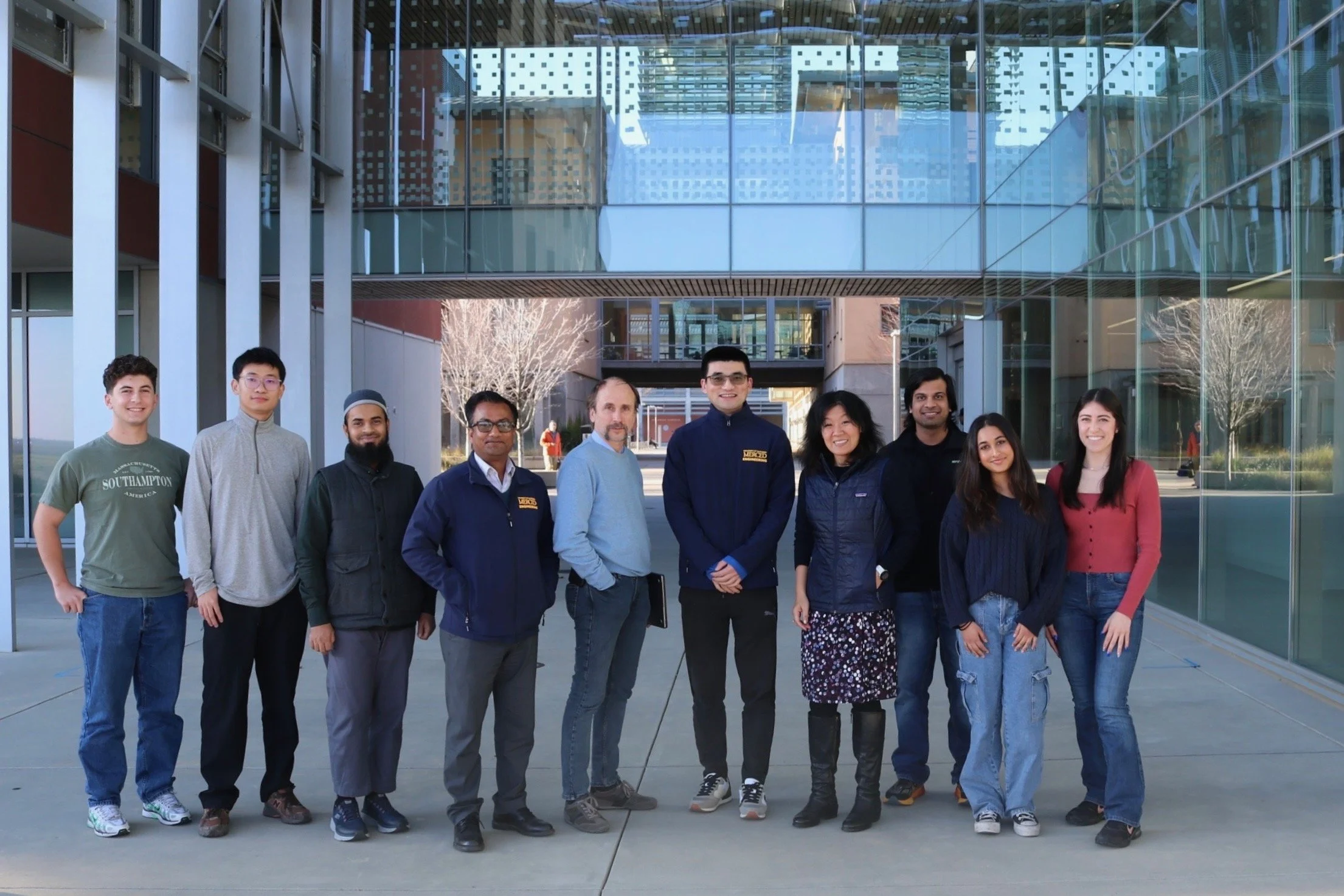

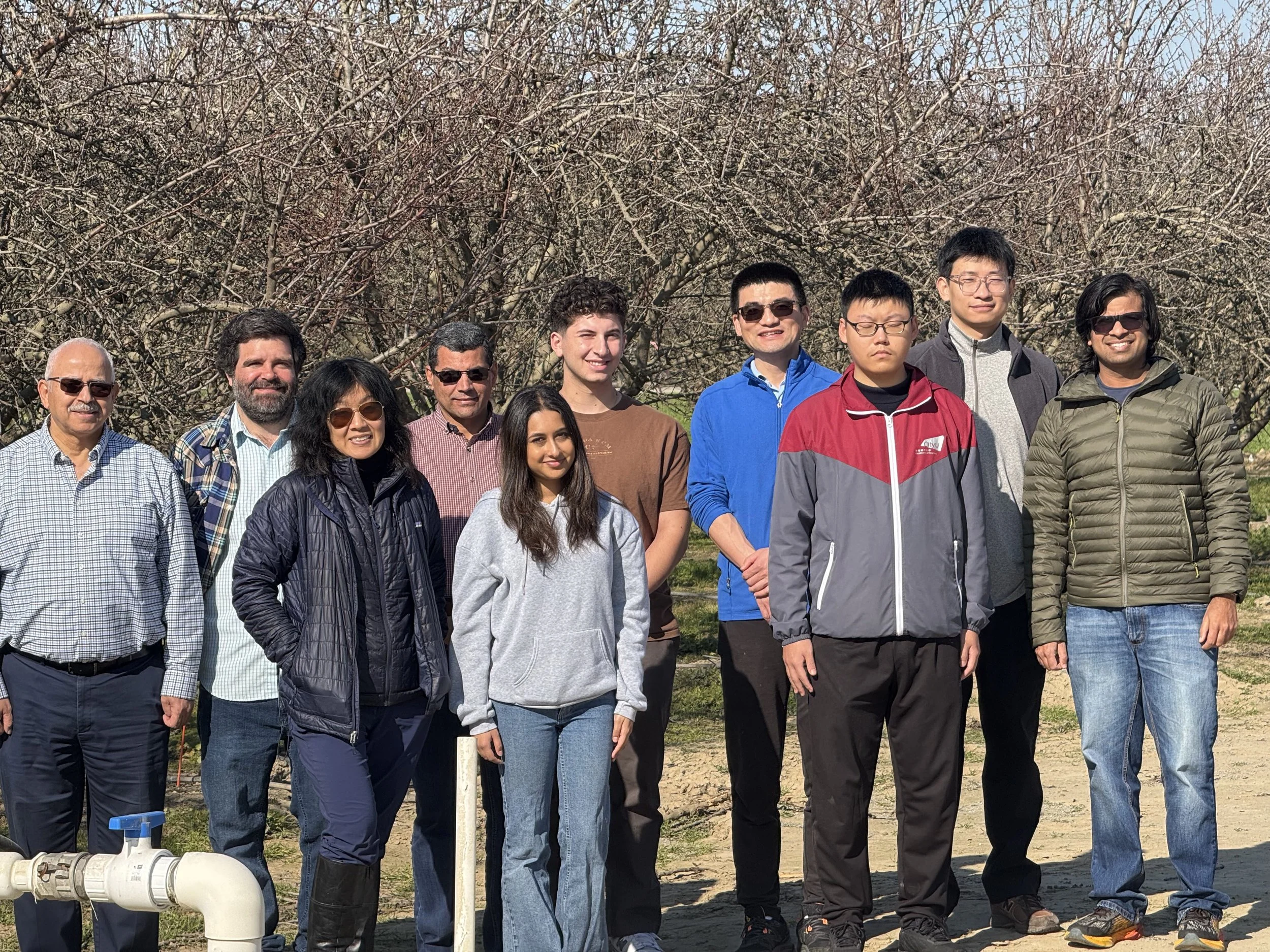
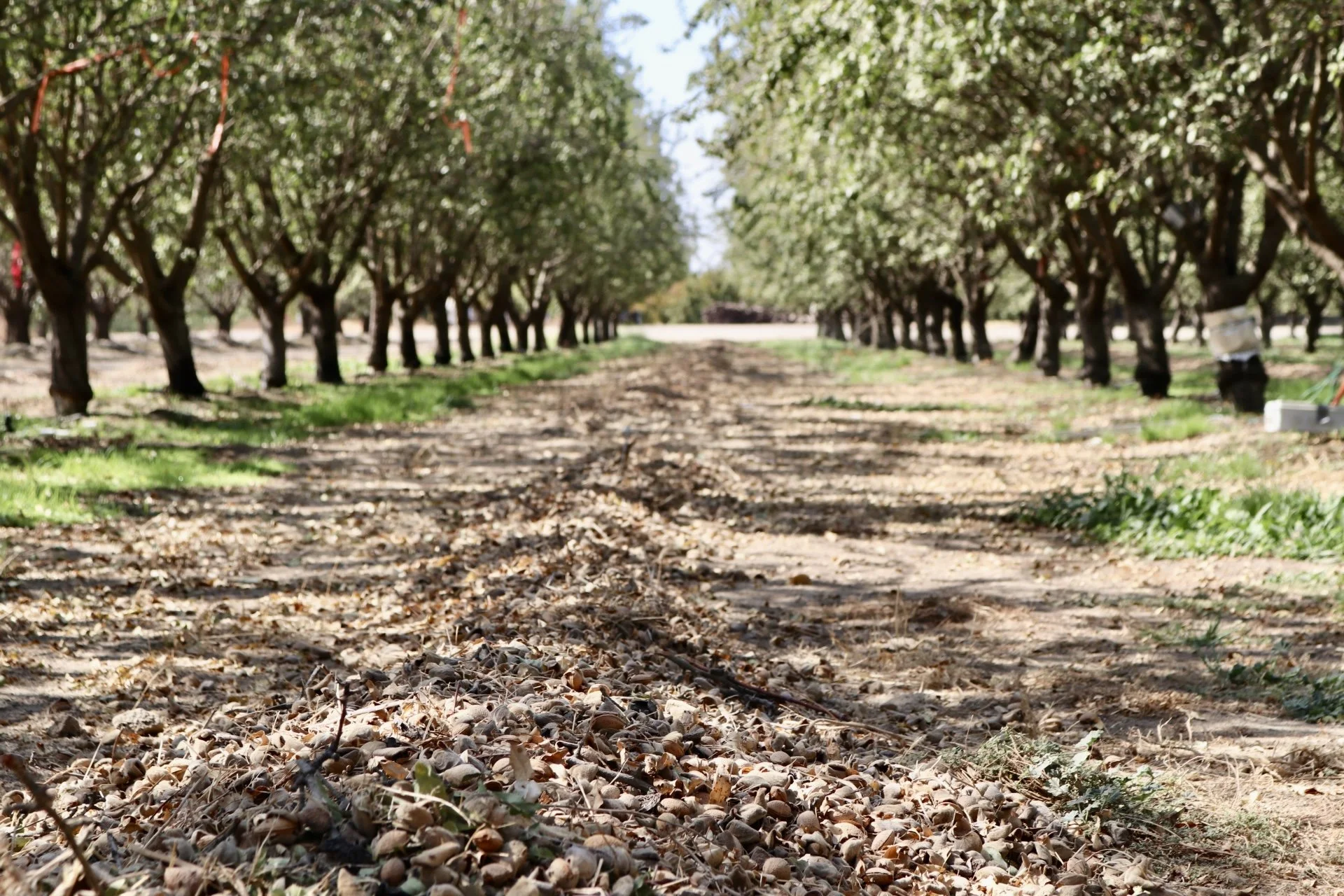
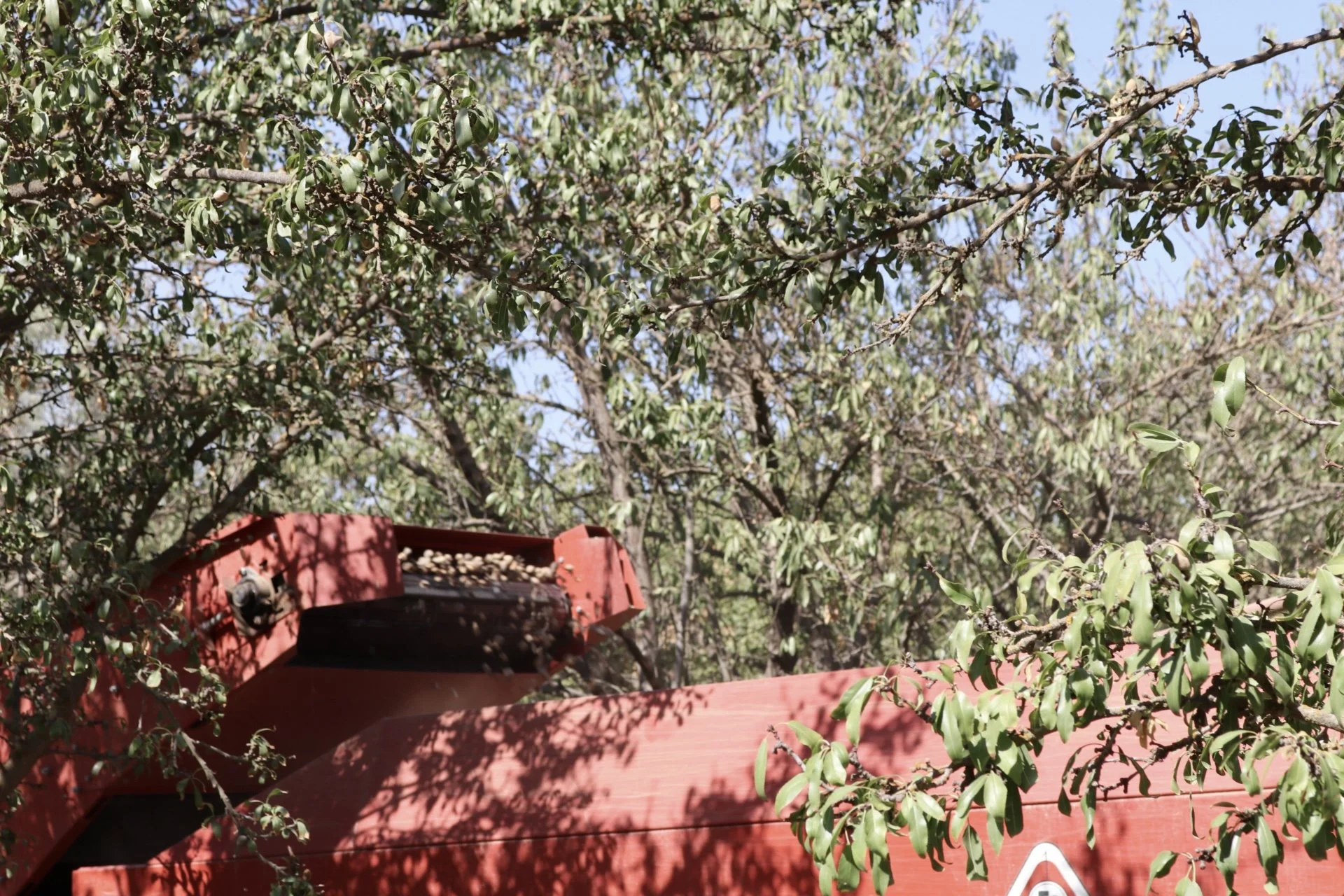
A Team of Researchers at UC Merced Are Testing Their Innovation at the Kearney Agricultural Research and Extension Center in Parlier, California
Water scarcity is a critical global challenge, particularly in agriculture, where traditional irrigation practices often lead to significant waste. Across drought-prone regions, including California’s Central Valley—a vital economic backbone—farmers face the urgent need to maintain crop health while minimizing freshwater use amidst groundwater depletion and persistent droughts. In response, researchers and engineers are leveraging advanced technology for sustainable water management.
A promising solution lies at the intersection of artificial intelligence (AI), edge computing, and embedded systems, forming a powerful combination poised to revolutionize irrigation. Since 2023, a group of scientists and researchers at UC Merced, led by Associate Professor Wan Du from the Department of Engineering, has been developing an AI-driven crop irrigation innovation: the Deep Reinforcement Learning for Irrigation Control (DRLIC) project. This initiative focuses on providing the Valley’s almond growers with a data-driven solution to tackle challenges posed by drought and inefficient water use.
“Our focus is to provide almond growers with a data-driven irrigation solution that conserves water and improves crop health. We’re using AI to analyze real-time data and provide precise irrigation recommendations, moving away from traditional, less efficient methods.”
—Brady Holder, Senior Research Associate, Kearney Research & Extension Center
This shift is crucial, given that agriculture is responsible for nearly 70% of global freshwater withdrawals, and almond orchards consume a significant portion of California’s water resources.
How the Smart System Works: A Day in the Life
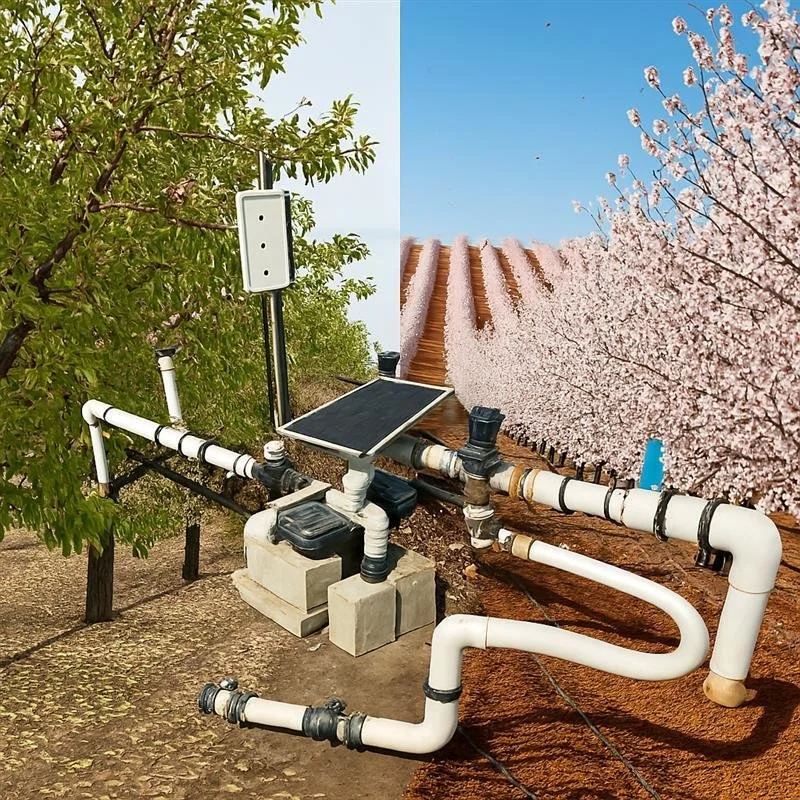
The DRLIC system is a fully automated, sensor-driven innovation designed to monitor soil and plant conditions in real time and make informed irrigation decisions without human intervention. Here’s how it operates:
1. Data Collection
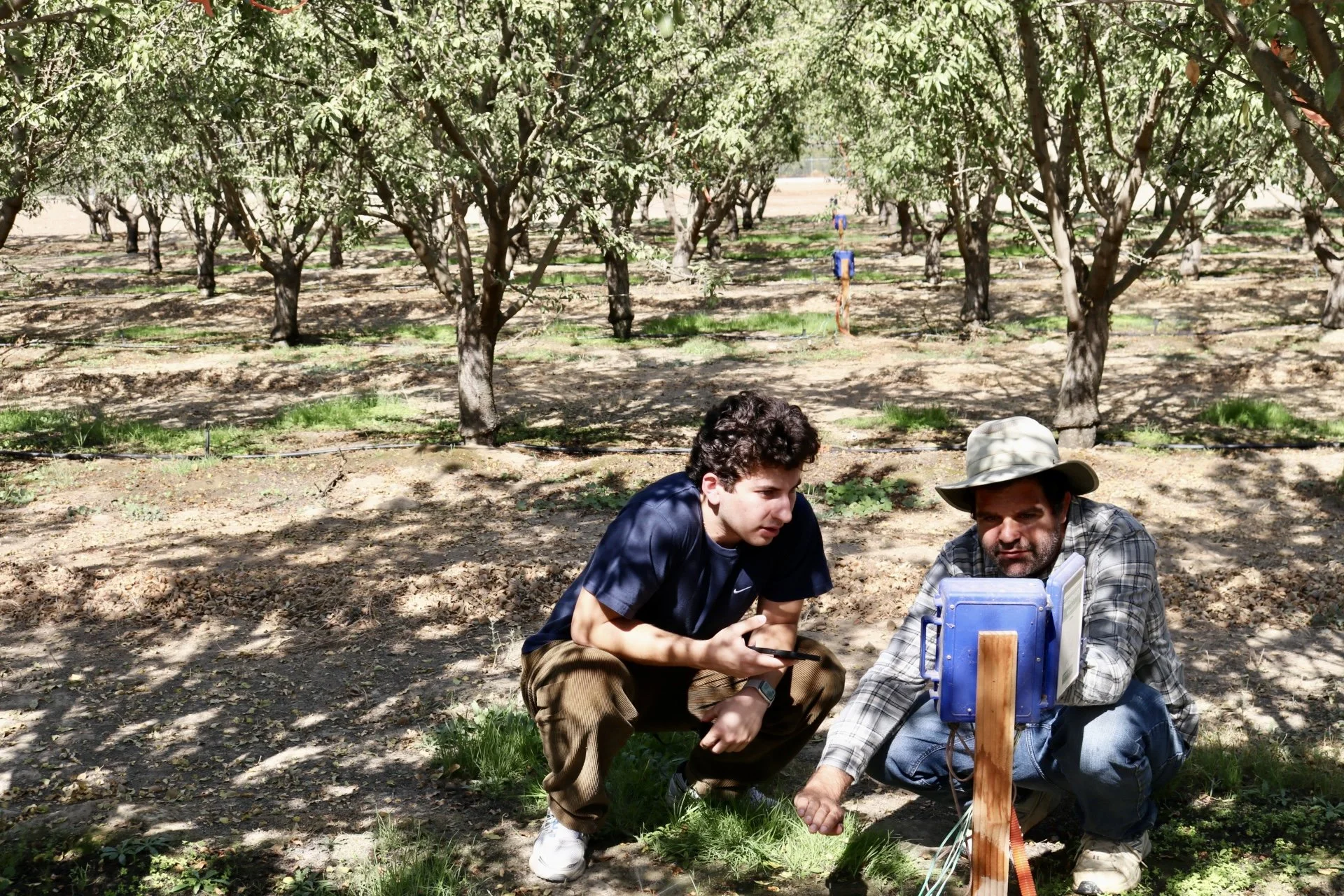
Sensors deployed throughout the field continuously collect vital environmental data, including soil moisture, plant water stress (stem water potential), and local weather patterns.
2. Local Processing & Transmission
This raw data is fed to a small computer device located on the farm, which processes and transmits the information via LoRa technology to a central computing system at UC Merced.
3. AI Analysis & Optimization
Every night, the AI model analyzes all new and stored information, considering factors such as soil wetness, plant needs, and current humidity. It then calculates the optimal irrigation plan for the next day, determining the precise timing and amount of water required.
4. Automated Execution
The irrigation schedule is sent back to the farm, where automated smart valves open and close according to the AI’s instructions.
5. Continuous Learning
After watering, the sensors re-evaluate field conditions, providing feedback that allows the AI to learn, adapt, and continually improve future irrigation decisions.
“We’re monitoring soil moisture and stem water potential, which indicates how well the trees are utilizing water,” Holder explains. “This data allows us to make real-time adjustments to irrigation, ensuring optimal water use.”


Broader Impacts & Future Outlook
While DRLIC’s current focus is on almond orchards, the technology has vast potential beyond this initial use case. The goal is to expand its application to a wider range of crops—including vegetables, grains, and vines—making precision irrigation more accessible across the agricultural industry.
Moreover, the core technology extends beyond farms, promising benefits for:
• Urban Landscaping
Enabling cities to efficiently water parks and public spaces while conserving water during droughts.
• Golf Courses and Athletic Fields
Ensuring healthy turf with minimal water waste through precision irrigation.
• Greenhouses and Vertical Farms
Fine-tuning growing conditions by integrating smart irrigation with existing automation systems.
• Disaster Resilience & Climate Response
Helping farmers adapt quickly to changing climate conditions, conserve water proactively, and recover more effectively after extreme weather.
The Road Ahead
The DRLIC project represents a significant stride toward more efficient and sustainable agriculture in California’s Central Valley. By automating the irrigation process and allowing AI to guide decisions, farmers can reduce water usage, improve crop yields, and minimize labor—contributing to the long-term vitality of their operations.
“We’ve focused on ensuring the accuracy and reliability of our sensors and algorithms,” Holder explains. “The next step is to deploy the system in real-world conditions and gather data throughout the growing season.”
This project exemplifies how technology and farming can work together to solve pressing environmental and economic challenges. The hope is that systems like DRLIC will not only foster healthier crops but also support a more efficient, sustainable, and adaptable agricultural future for communities worldwide.
By Anvi Kudaraya, Lauryl Gonzalez, and Savio Jabbo
IN THE NEWS
We were featured by University of California, Merced News for our collaboration in AgriFoodTech innovation. Read the article here.