
California-Denmark Bioeconomy Exchange 2025
Cultivating a Circular Future: A Delegation Story
Prologue: The Shared Question
As climate pressures mount and food systems strain, California and Denmark are asking the same fundamental question.
In early September 2025, a California-based delegation traveled to Copenhagen, Denmark to explore cross-sector collaboration in the circular bioeconomy. Hosted by the United States Embassy in Denmark and organized by the University of California Inland California Project, the trip brought together researchers, entrepreneurs, strategists, and public sector leaders committed to advancing sustainable agriculture, biomanufacturing, and food systems innovation.
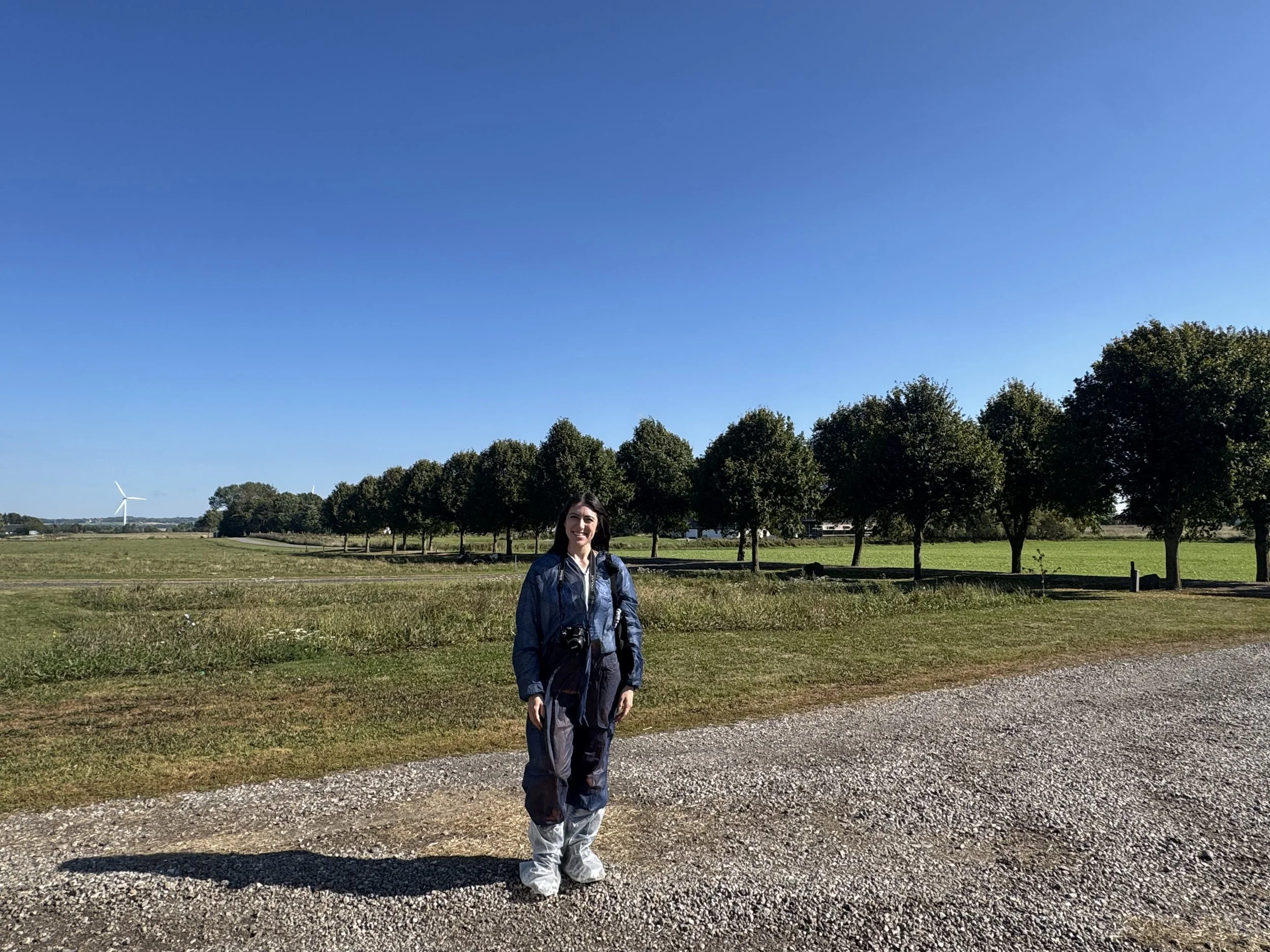
From Farms to Incubators was invited to document the delegation through storytelling, including photography and video, capturing how ideas, infrastructure, and relationships formed across institutions, disciplines, and borders.
The delegation sought to connect two regions with complementary strengths: California’s entrepreneurial energy and Denmark’s systems-level infrastructure. The shared goal was to identify scalable models for a circular bioeconomy spanning business, policy, and infrastructure that reduce waste, regenerate resources, and support long-term economic resilience.
Day 1: Innovation in Motion – From Lab to Table
Locations Visited
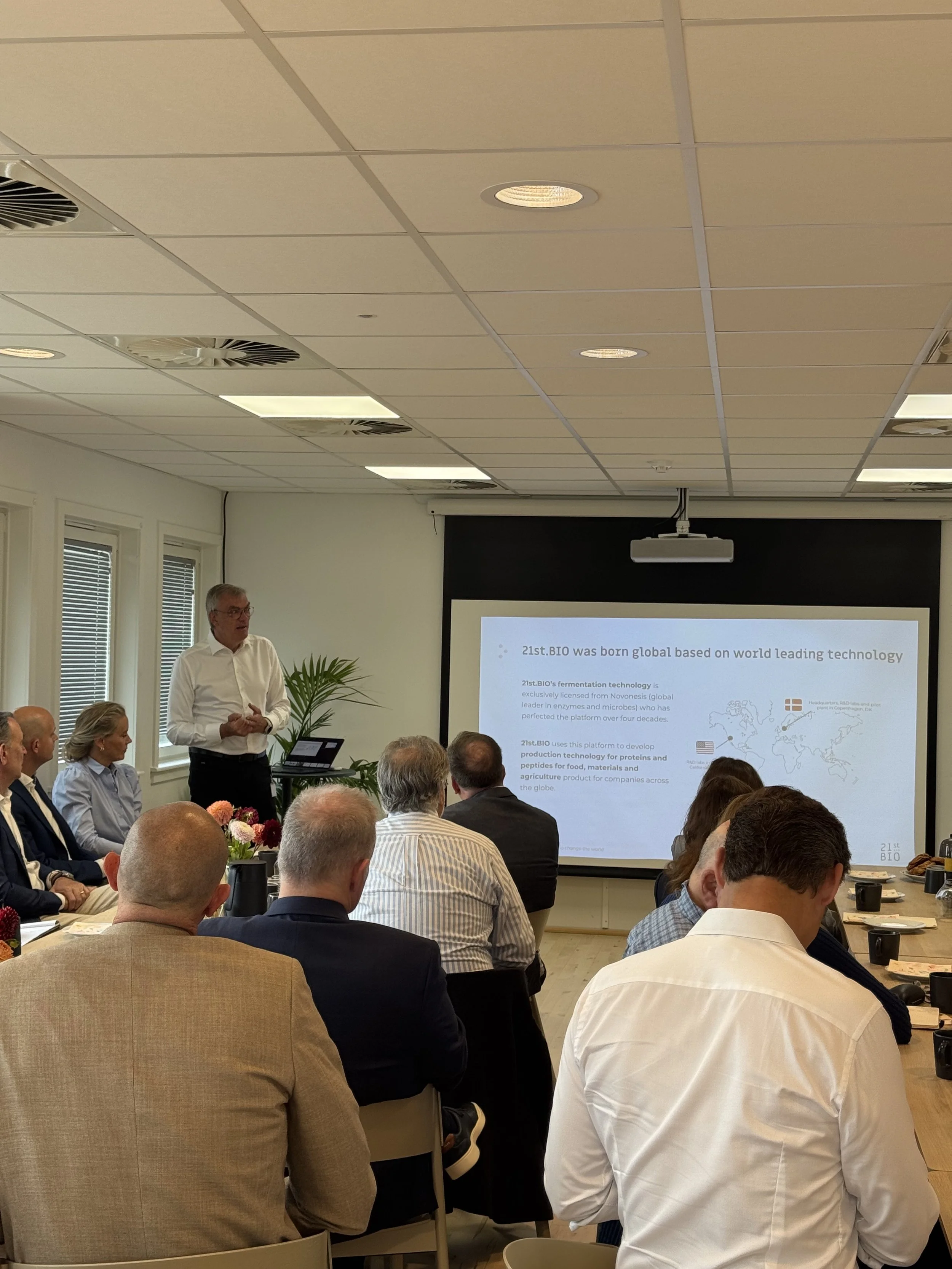
- 21st.BIO : Industrial-scale precision fermentation and microbial innovation, demonstrating how biology-driven processes move from lab to market.
- Novo Nordisk Foundation : Pioneering biological solutions to environmental challenges, including projects reducing nitrogen runoff and capturing carbon emissions.
- Noma : Culinary innovation through fermentation and storytelling, showcasing sustainability at the intersection of art and science.
- Food Nation Denmark : A public-private initiative advancing sustainable agriculture and Danish food innovation globally.
The delegation’s first visit set a tone of urgency and possibility. At 21st.BIO, precision fermentation was already being scaled for industrial use. Per Falholt, co-founder and executive science expert, walked us through production processes for food and agriculture, demonstrating how microbial platforms are moving from lab to market.
— Per Falholt, Co-Founder & Executive Science Expert, 21st.BIO
That focus on execution continued at the Novo Nordisk Foundation, where biology is being used to address environmental challenges at scale. One initiative engineers microbes to reduce excess nitrogen in soil and water, protecting ecosystems and improving soil health. Another captures carbon emissions from industrial processes and converts them into usable materials. A third applies environmental DNA to monitor biodiversity and ecosystem change.
— Claus Felby, Senior Vice President of Biotech, Novo Nordisk Foundation
The morning’s visits highlighted two complementary approaches to biological innovation. At 21st.BIO, precision fermentation is being scaled with measurable outputs and commercial applications. At the Novo Nordisk Foundation, the emphasis is on funding large-scale environmental research often projects considered too ambitious or uncertain for traditional funding streams. Together, they framed biology not just as science, but as a practical pathway for transforming food systems.
Later that morning, the delegation visited Noma, Copenhagen’s internationally acclaimed restaurant known for its pioneering work in fermentation and ingredient transformation. Here, sustainability emerged at the intersection of art and science. Fermentation functioned as a living archive, each jar representing an experiment in time, temperature, and microbial life. After a morning of technical briefings, the experience was quieter and more tactile, underscoring that sustainability begins with intention as much as scale.
The day concluded with Food Nation Denmark, which positioned the country’s food system as both an economic engine and a cultural asset. As a public-private partnership, the organization connects international stakeholders with Danish companies solutions, and expertise. Their presentation emphasized strategic partnerships, sustainable agriculture, and Denmark’s commitment to feeding possibility. “Food has a crucial role to play in a secure world,” said Lise Walbom, CEO of Food Nation. The visit framed Denmark’s food system as both an economic engine and a cultural asset.
Day 2: Circularity in Practice – Rural Innovation and Renewable Energy
Locations Visited
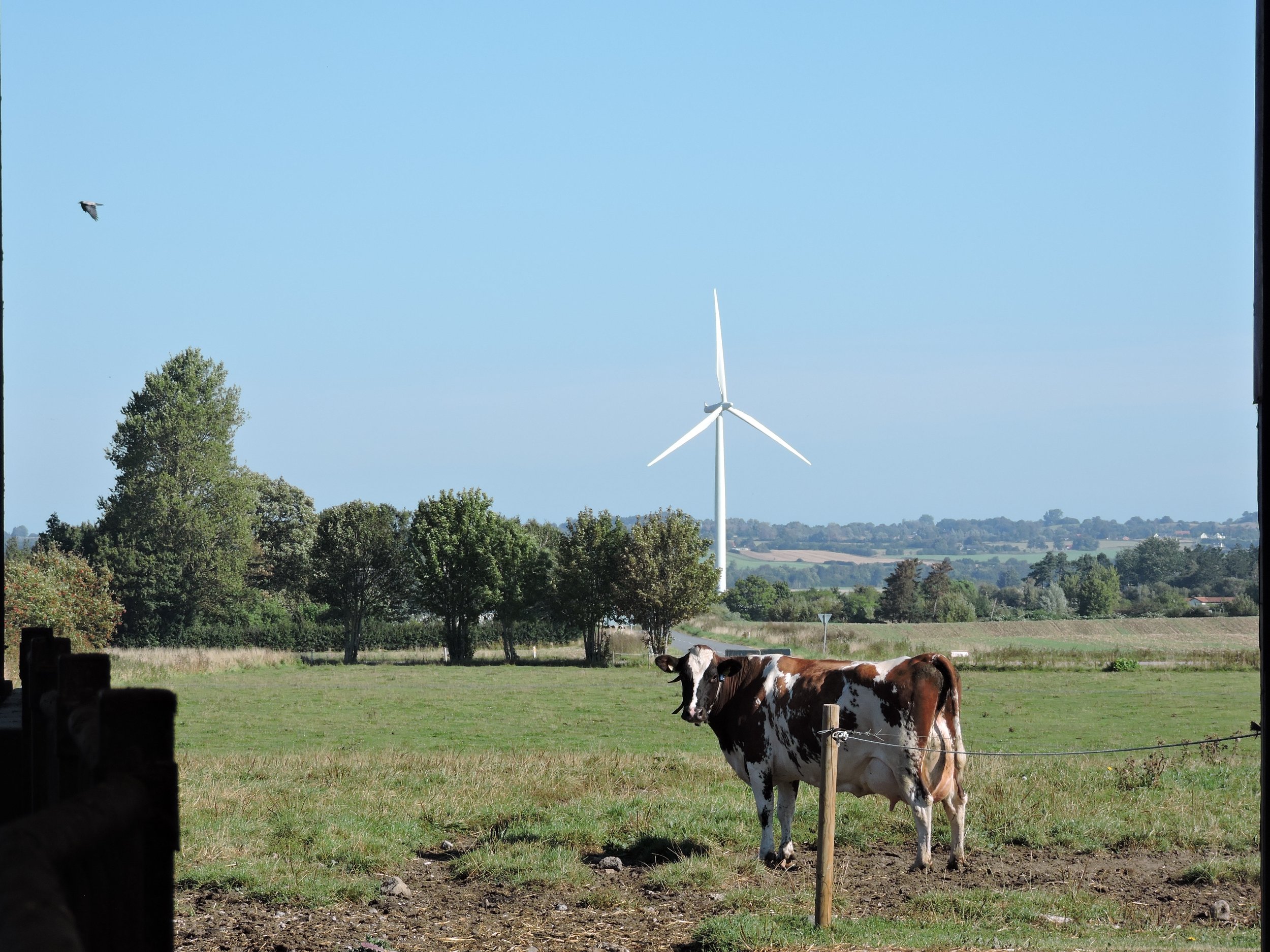
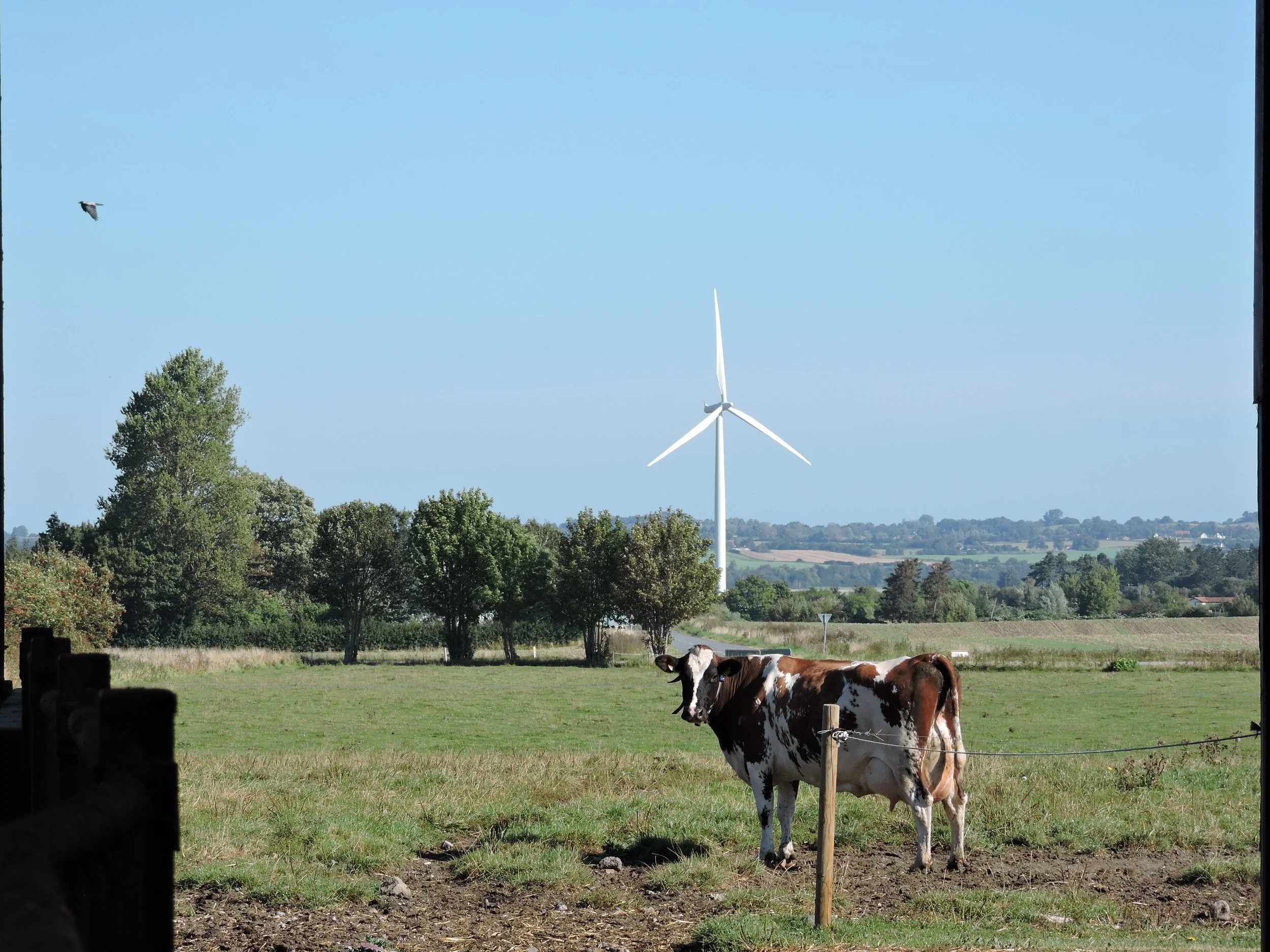
- Gislinge Dairy Farm : Demonstrated sustainable agriculture through rotational grazing, manure management, and alignment with nature’s calendar.
- Helix Lab : A hub for collaboration between academia and industry, where students and researchers addressed real-world company challenges.
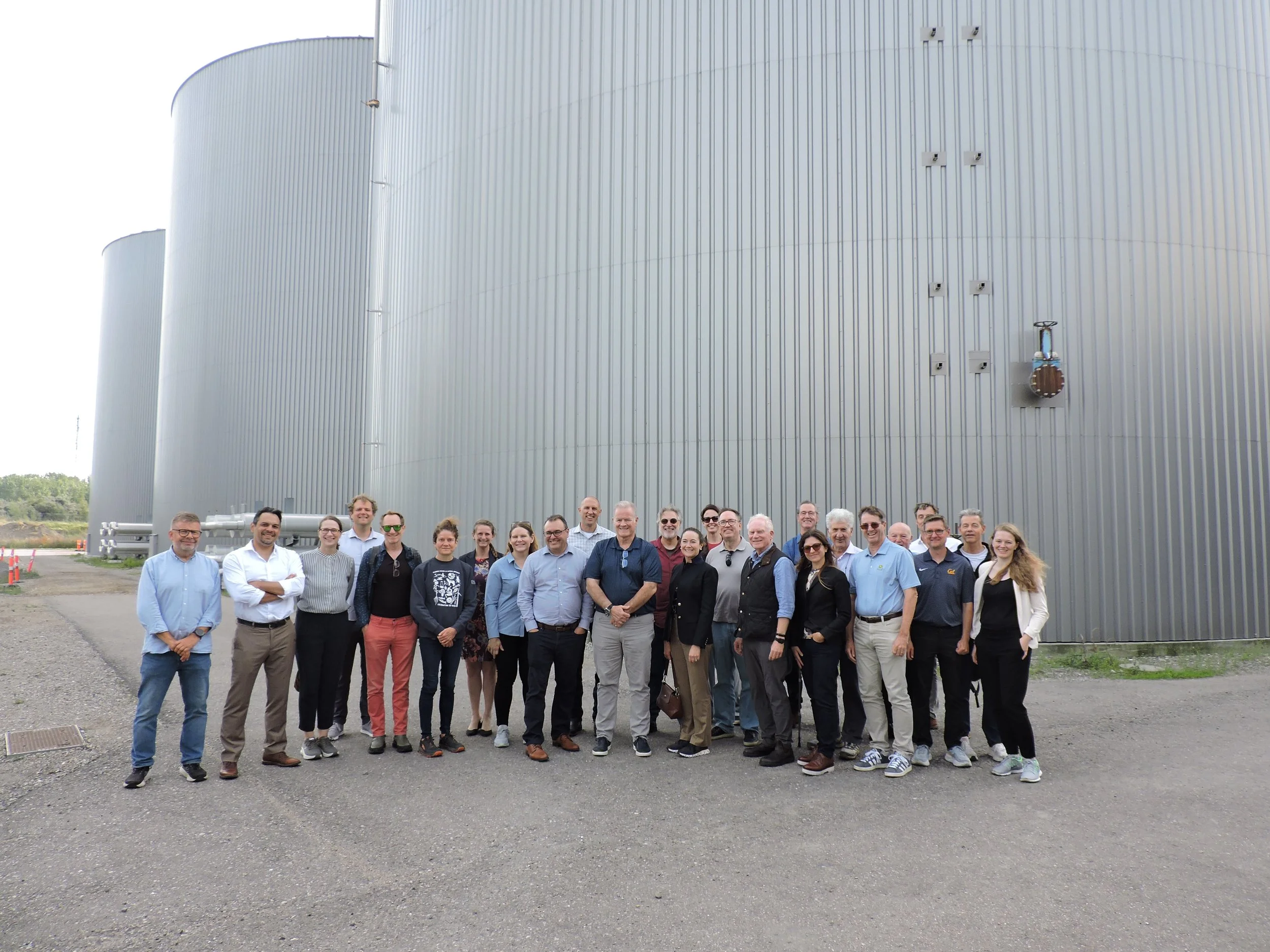
- Biogadan Biogas Plant : Converted organic farm waste into renewable energy, illustrating how infrastructure can advance circular economy principles.
- Dyrehøj Winery : Reflected climate adaptation and local identity through sustainable viticulture and production practices.
From the national to the rural, the second day began in Gislinge, a small town in western Zealand, where an organic dairy farm offered a grounded look at sustainability in practice. Discussions covered seasonal labor, EU regulations, and the rhythms of Danish agriculture. As one farmer noted, “We work with nature’s calendar.” While the pace was slower than in labs or policy briefings, the principles of sustainability were deeply embedded in everyday operations from rotational grazing to manure management.
The visit to Helix Lab highlighted how academic and industrial collaboration is accelerating biotechnology innovation. Administrators and researchers described a model centered on applied research and real-world experimentation. One coordinator explained, “We’re here to bridge science and industry. Students work on challenges that companies are actually facing.” The lab reflected Denmark’s strong investment in talent pipelines and interdisciplinary problem-solving.
That afternoon continued at the Biogadan Biogas Plant, where organic agricultural waste is converted into renewable energy. Its integration with surrounding farms demonstrated how infrastructure can serve both environmental and economic goals. As one engineer described it, “This is about creating value from what used to be discarded,” offering a clear example of how waste becomes a resource when systems are designed to close the loop.
The day concluded at Dyrehøj Winery on the Røsnæs peninsula in western Zealand, where the focus shifted to climate adaptation and regional identity. The vineyard’s approach to sustainable production and local sourcing echoed themes seen throughout the week. “We grow what thrives here,” the winemaker shared, “and we make sure it reflects this place.” Intentionality, transparency, and innovation rooted in place emerged as consistent threads.
Day 3: Innovation Ecosystems and Industry Collaboration
Locations Visited
- DTU Skylab : Innovation hub and startup incubator at the Technical University of Denmark, fostering interdisciplinary experimentation to tackle global challenges.
- Confederation of Danish Industry (DI) : Denmark’s largest business and employers’ organization, working to shape industrial policy, support innovation, and strengthen competitiveness.
The third day began at DTU Skylab, located on the campus of the Technical University of Denmark just north of Copenhagen. The visit highlighted how interdisciplinary experimentation is being used to tackle global challenges. As an innovation hub and startup incubator, Skylab brings together students, researchers, and entrepreneurs to develop solutions across biotechnology, sustainability, and engineering.
Projects on display ranged from enzyme workflows and biodiversity modeling to electrochemical carbon dioxide reduction and food innovation. Skylab functioned not only as a research environment, but as a launchpad for ideas with real-world application. Speakers emphasized that many of the scientific tools and solutions needed today are already within reach, reinforcing a sense of urgency and possibility.
The day concluded with a policy-focused meeting at the Confederation of Danish Industry (DI), Denmark’s largest business and employers’ organization representing more than 20,000 companies. The discussion centered on scaling innovation, building international partnerships, and aligning climate goals with economic development to maintain global competitiveness.
Speakers underscored the importance of cross-sector collaboration and the proactive role industry must play in the green transition. Beyond developing new technologies, this includes investing in workforce skills, influencing policy, and creating scalable models that other regions can adopt. A key takeaway was the shared recognition that time is limited, and progress depends on new ways of moving forward.
What Comes Next
The delegation laid the groundwork for a Memorandum of Understanding (MOU) on Climate, Technology, and Innovation between California and Denmark. A 2026 symposium in Sacramento will share findings and launch pilot projects focused on turning collaboration into implementation.
In Motion
- Memorandum of Understanding (MOU) : Climate, Technology & Innovation collaboration spanning research, workforce development, and biomanufacturing.
- Sacramento Symposium (2026) : Presentation of findings and launch of pilot initiatives.
- Focus Areas : Eco-industrial parks, fermentation infrastructure, and open-access licensing in agricultural biotechnology.
— Priscilla Koepke, CEO, F3 Innovate
Koepke emphasized the relevance of Denmark’s flexible startup support models for regions seeking to advance inclusive innovation and entrepreneurship, aligning closely with F3 Innovate’s mission.
— David Zilberman, UC Berkeley
Zilberman, an Economics Professor at UC Berkeley and a leading voice in agricultural economics with more than 450 published journal articles, highlighted Denmark’s strengths in circular systems and waste-management technologies, underscoring the global momentum behind bioeconomy planning.
Key takeaways included the importance of building shared infrastructure, investing in talent pipelines, and designing systems that turn waste into value. Denmark demonstrated a working model of circularity at scale. For California, the next step is clear: implementation.
In the News
California and Denmark signed a new partnership on climate, technology, and innovation efforts, officially announced by the Governor of California on August 22, 2025.
View Official Announcement